Crafting the Perfect First Impression: The Strategic Value of a Kids School Education Admission Flyer
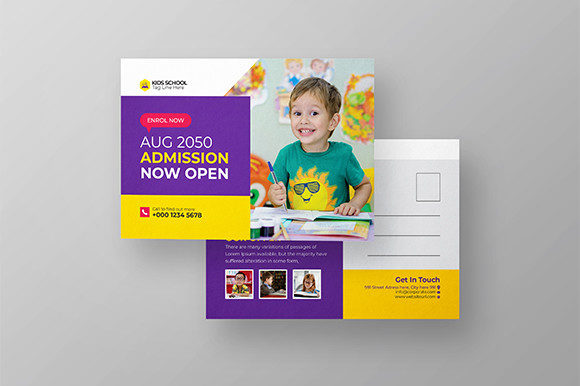
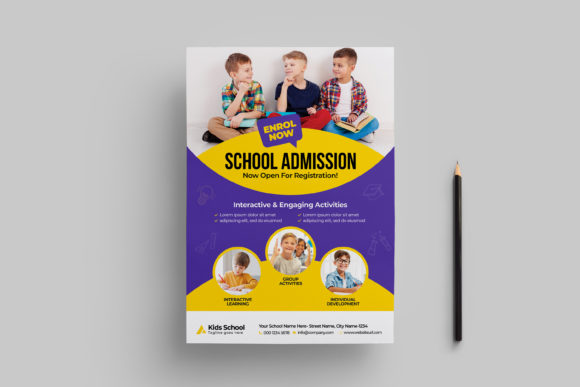
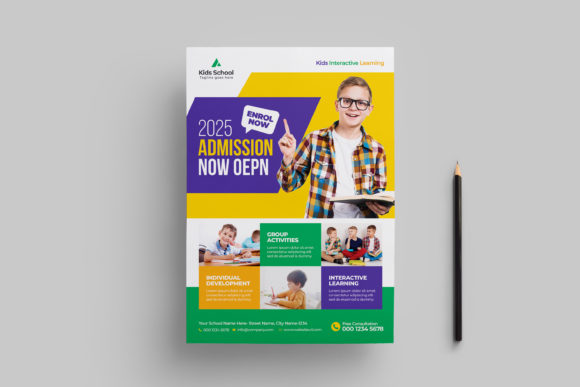
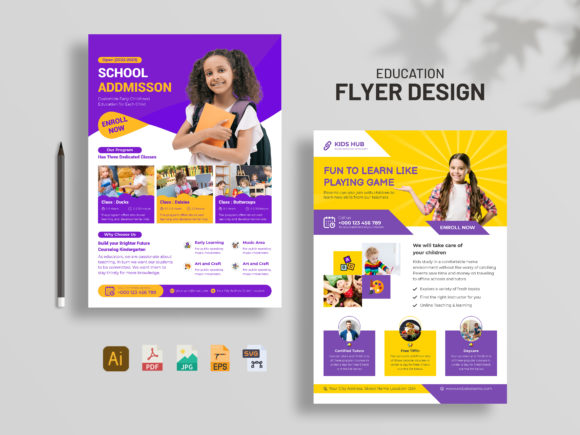
In the competitive landscape of early childhood and primary education, visibility is not merely an advantage; it is a necessity. Parents are inundated with choices, from public district options to private academies and specialized learning centers. Amidst this noise, a well-designed Kids School Education Admission Flyer serves as a critical touchpoint. It is often the first tangible interaction a family has with your institution, acting as both an invitation and a promise of quality. While digital marketing dominates many sectors, the tactile nature of print media retains a unique power in local community engagement, offering a physical reminder that can be pinned to a refrigerator or shared among neighbors.
Beyond Aesthetics: Functionality in Design
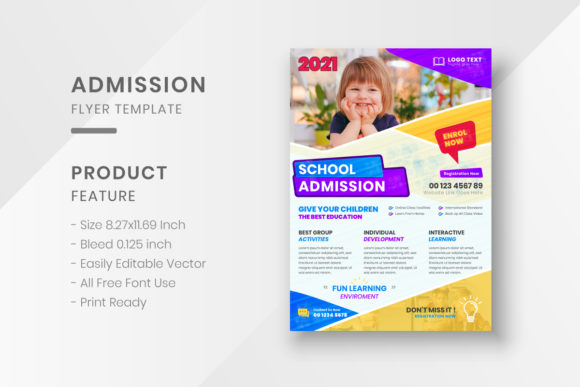
When educators and administrators consider promotional materials, the focus often drifts toward colorful graphics and happy children. While these elements are vital for emotional connection, the structural integrity of the design is equally important. A versatile template allows schools to streamline their workflow, ensuring that the final product is not only visually appealing but also technically sound for professional printing. Using a standardized format, such as an A4 size (8.27×11.69 inches) with appropriate bleed margins, ensures that no critical information is lost during the cutting process. This attention to detail reflects the school’s overall commitment to precision and care.
The utility of a multipurpose flyer extends beyond simple handouts. By utilizing a high-resolution design at 300 DPI in CMYK color mode, institutions ensure that their branding looks crisp and professional whether it is distributed as a standalone leaflet, inserted into a local newspaper, or displayed as a poster in community centers. This adaptability means that a single design asset can serve multiple functions, reducing the time and cost associated with creating separate materials for different channels. For busy school administrators, the ability to edit text and swap images quickly is invaluable, allowing for real-time updates regarding enrollment deadlines or open house dates.
The Psychology of Trust and Clarity
Parents seeking education for their children are primarily driven by trust. They want to know that their child will be safe, nurtured, and intellectually stimulated. A cluttered or poorly formatted flyer can inadvertently signal disorganization. Conversely, a clean, well-organized layout communicates professionalism and stability. When using a template that features free fonts and easy-to-edit layers, schools can maintain brand consistency without needing advanced graphic design skills. This consistency helps build recognition; when parents see the same color palette and typography across various platforms, it reinforces the school’s identity.
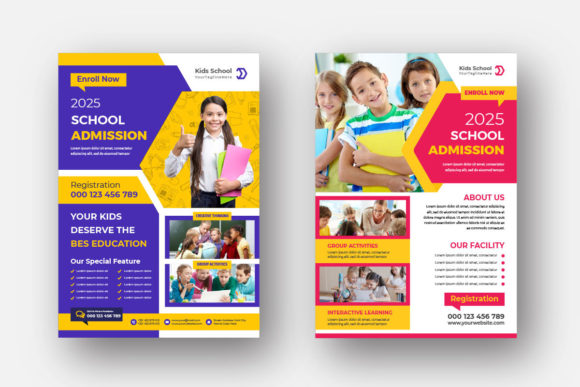
It is crucial to remember that the photos used in preview templates are for illustration purposes only. Replacing these defaults with authentic images of your own campus, teachers, and students is a non-negotiable step. Authenticity resonates far more deeply than stock photography. Prospective families want to see the actual environment their child will inhabit. High-quality, genuine photographs combined with clear, concise copy create a narrative that is both inviting and informative. This approach transforms a standard advertisement into a compelling story about your educational philosophy.
Integrating Print into Modern Marketing Workflows
Some might argue that print is obsolete in the digital age, but this overlooks how modern consumers interact with information. Digital ads are easily scrolled past and forgotten. A physical Kids School Education Admission Flyer, however, occupies space in the real world. It can be handed directly to a parent at a local fair, left in pediatrician offices, or mailed to households in specific zip codes. This targeted distribution allows schools to reach their immediate community effectively.
Moreover, print and digital strategies are not mutually exclusive; they are complementary. A flyer can include QR codes that link to virtual tours, online application forms, or testimonial videos. This hybrid approach bridges the gap between tactile engagement and digital convenience. By using a template that is easy to edit, schools can quickly update these digital links or adjust calls to action based on current enrollment goals. The flexibility of formats like AI and EPS files ensures that designers can tweak vector elements without losing quality, making it easier to adapt the design for different sizes or mediums if needed.
Key Elements of an Effective Admission Campaign
To maximize the impact of your admission campaign, consider the following practical components that should be integrated into your flyer design:
- Clear Value Proposition: Immediately communicate what makes your school unique. Is it STEM-focused? Arts-integrated? Faith-based? Highlight this early in the design.
- Essential Information: Ensure that contact details, address, website, and key dates are prominent. Do not bury this information in small print.
- Call to Action: Tell parents exactly what to do next. Whether it is "Register for Open House" or "Apply Now," the instruction should be clear and urgent.
- Visual Hierarchy: Use size and color to guide the reader’s eye. The most important information should stand out, while secondary details support the main message.
Using a pre-designed template simplifies the implementation of these elements. Instead of starting from scratch, administrators can focus on refining the message rather than wrestling with layout software. This efficiency is particularly beneficial for smaller schools or startups that may not have dedicated marketing teams. The ability to produce print-ready files quickly means that last-minute opportunities for promotion—such as a sudden spot in a community newsletter—can be seized without stress.
Practical Considerations for Production and Distribution
Before sending your design to print, several technical checks are essential. Ensure that the file is set to CMYK color mode, as this is the standard for professional printing and ensures color accuracy. RGB colors, used for screens, often appear duller when printed. Additionally, verify that all images are high resolution (300 DPI) to prevent pixelation. Bleed areas, typically 0.25 inches, must be included to avoid white edges after trimming. These technical details, while seemingly minor, significantly affect the perceived quality of the final product.
Distribution strategy is just as important as design. Consider where your target audience spends their time. Local libraries, coffee shops, pediatric clinics, and community centers are excellent locations for placing stacks of flyers. Partnering with local businesses for cross-promotion can also extend your reach. For example, a children’s bookstore might agree to display your Kids School Education Admission Flyer in exchange for you promoting their store in your newsletter. These community partnerships amplify your message and build local goodwill.
Adapting to Seasonal Trends
Education marketing is highly seasonal. Peak interest usually occurs in the months leading up to the new academic year. However, maintaining visibility year-round helps build a pipeline of interested families. A versatile template allows you to easily adjust the messaging for different times of the year. In the spring, the focus might be on summer programs or early bird registration. In the fall, it could shift to highlighting extracurricular activities or mid-year enrollment options. This agility ensures that your marketing efforts remain relevant and responsive to parental needs.
Furthermore, the ease of editing allows for A/B testing. You might create two versions of the flyer with different headlines or images and distribute them in different neighborhoods to see which generates more inquiries. This data-driven approach helps refine future campaigns, ensuring that resources are allocated to the most effective strategies. By leveraging a flexible design system, schools can continuously improve their outreach efforts without incurring significant additional costs.
Conclusion: Investing in Communication
Ultimately, a Kids School Education Admission Flyer is more than just a piece of paper; it is a reflection of your school’s values and standards. It represents an investment in clear, effective communication with the families you serve. By choosing a high-quality, editable template, you empower your team to produce professional-grade materials that stand out in a crowded market. The combination of aesthetic appeal, technical precision, and strategic distribution creates a powerful tool for driving enrollment and building community trust. In an era where attention is scarce, making every impression count is not just good marketing—it is essential for sustainable growth.