Designing Impactful School Education Admission Flyers for Modern Enrollment Campaigns
In the competitive landscape of private and charter education, first impressions are not merely important; they are decisive. Parents and guardians are inundated with digital noise, yet tangible, well-crafted print materials retain a unique power to convey trust, stability, and academic excellence. A School Education Admission Flyer serves as more than just an informational sheet; it is a strategic touchpoint that bridges the gap between institutional values and family expectations. When designed effectively, these materials do not just announce open enrollments—they tell a story about community, curriculum, and future success.
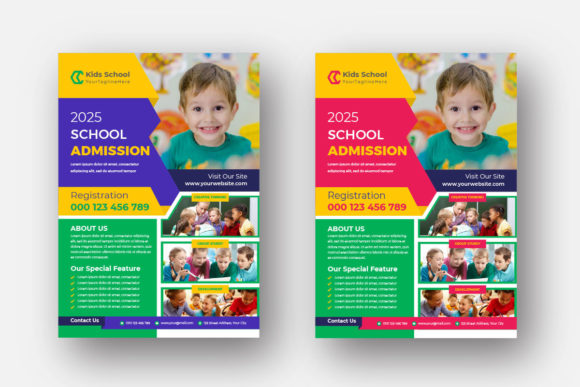
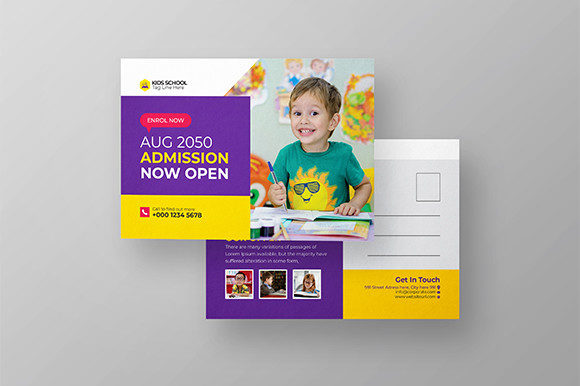
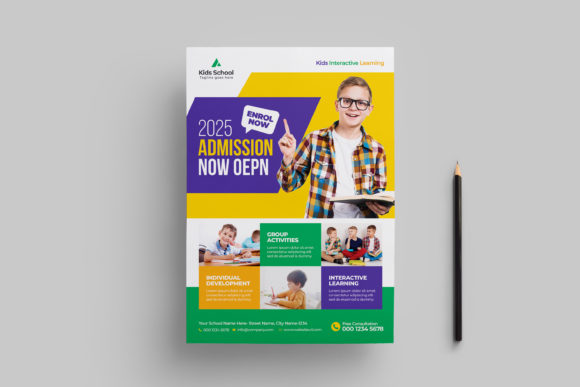
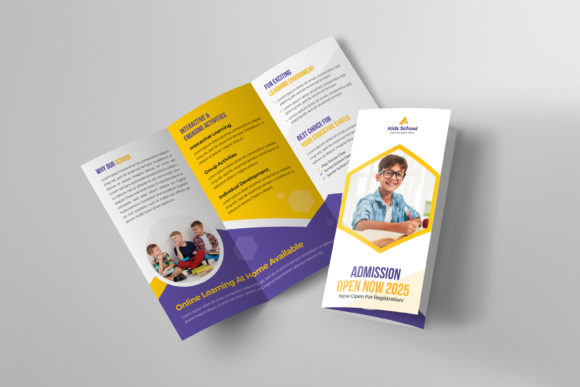
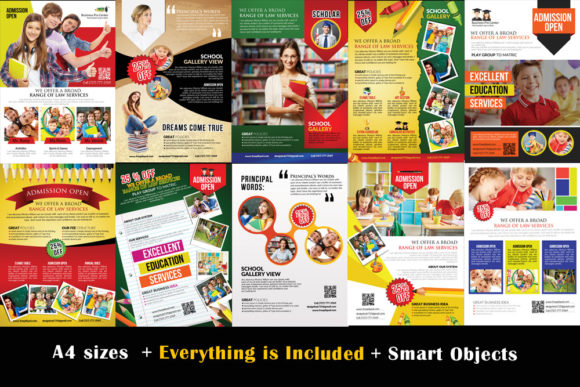
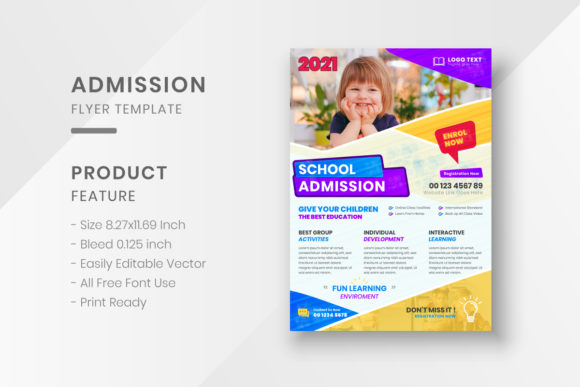
The shift toward professional-grade design tools in educational marketing reflects a broader trend where schools operate with the agility of small businesses. Administrators and marketing coordinators are no longer relying solely on generic templates. Instead, there is a growing demand for customizable, high-resolution assets that can be adapted across various media channels. This is where resources like the Kids school admission flyer You Will get – EPS Adobe Illustrator 10 File become invaluable. By providing editable vector formats, these resources empower educators and designers to maintain brand consistency while reducing production time.
The Evolution of Educational Marketing Materials
Historically, school admissions were driven by word-of-mouth and local reputation. Today, the decision-making process for parents is research-intensive and visually driven. The modern parent expects transparency, aesthetic appeal, and clear communication. Consequently, the role of the admission flyer has evolved from a simple notice board announcement to a sophisticated marketing asset.
This evolution mirrors changes in consumer behavior across other sectors. Just as retail brands invest heavily in packaging and visual identity, educational institutions must present their "brand" with clarity and professionalism. A poorly designed flyer can inadvertently signal disorganization or a lack of attention to detail, whereas a polished, thoughtfully structured document suggests academic rigor and administrative competence. The availability of professional design files, such as EPS formats compatible with Adobe Illustrator, allows schools to elevate their visual presence without necessarily hiring expensive external agencies for every minor update.
Why Vector Formats Matter for Print and Digital Versatility
One of the most critical technical aspects of creating effective promotional materials is understanding file formats. Many non-designers may overlook the significance of using an EPS Adobe Illustrator 10 File, but this choice has profound implications for quality and flexibility. Unlike raster images (such as JPEGs or PNGs), which can pixelate when resized, vector graphics are mathematically defined. This means they can be scaled from a small social media graphic to a large banner without any loss in resolution.
For school administrators and marketers, this versatility is crucial. A single admission campaign often requires multiple deliverables:
- High-quality printed flyers for distribution at local community centers.
- Digital PDFs for email newsletters and website downloads.
- Social media assets that require specific aspect ratios.
- Large-format posters for open house events.
Key Elements of a High-Converting Admission Flyer
While aesthetics draw the eye, content drives action. A successful School Education Admission Flyer must balance visual appeal with informative clarity. Based on current best practices in educational marketing, several core components should be present in every effective design.
First, the value proposition must be immediate. Parents need to know within seconds what makes the institution unique. Is it a focus on STEM? A nurturing early childhood environment? Strong arts programs? This unique selling point should be highlighted prominently, supported by imagery that reflects the actual student experience rather than generic stock photos.
Second, clarity of information is non-negotiable. Essential details such as application deadlines, age requirements, contact information, and upcoming open house dates must be easy to find. Cluttered designs confuse readers and reduce conversion rates. Using white space effectively helps guide the reader’s eye through the hierarchy of information, ensuring that key dates and calls to action are not missed.
Third, emotional resonance plays a significant role. Education is an emotional investment. Imagery featuring engaged students, supportive teachers, and happy families helps prospective parents visualize their child thriving in that environment. The tone of the copy should be welcoming and inclusive, addressing parental concerns about safety, academic support, and community belonging.
Adapting to Modern Workflow Needs
The modern educator or administrator often wears multiple hats. They are tasked with curriculum planning, staff management, and increasingly, marketing. This reality necessitates tools that streamline workflows. Pre-designed templates that offer full editability allow non-designers to make necessary updates quickly. For instance, changing the academic year or updating contact details in an Adobe Illustrator file is straightforward if the layers are organized logically.
This efficiency does not compromise quality. On the contrary, it ensures that last-minute changes—common in dynamic school environments—do not result in rushed, amateurish outputs. By leveraging professional templates, schools can maintain a high standard of communication even during peak enrollment periods when time is scarce.
Strategic Distribution in a Hybrid World
Creating a beautiful flyer is only half the battle; distributing it effectively is the other. In today’s hybrid media landscape, a physical flyer often serves as a gateway to digital engagement. Including QR codes on printed materials is a practical strategy that bridges the offline and online worlds. A QR code can lead parents directly to the online application portal, a virtual tour of the campus, or a video message from the principal.
This integration enhances the user experience by reducing friction. Instead of manually typing URLs, parents can instantly access rich multimedia content that provides deeper insights into the school’s culture. Furthermore, tracking scans from QR codes offers valuable data on which distribution channels are most effective, allowing schools to refine their marketing strategies for future cycles.
Effective distribution channels include:
- Local libraries and community centers where families frequently visit.
- Partnerships with pediatricians’ offices and childcare providers.
- Community events and fairs where direct interaction is possible.
- Digital sharing via parent networks and local social media groups.
Building Trust Through Professional Presentation
Ultimately, the goal of any admission material is to build trust. Parents are entrusting their children’s development to an institution, and they look for signs of professionalism and care in every interaction. A well-designed School Education Admission Flyer signals that the school values quality and attention to detail. It suggests that the same level of care applied to marketing materials is likely applied to classroom instruction and student welfare.
In an era where digital scams and low-quality institutions exist, professional presentation acts as a filter for credibility. It reassures parents that the school is established, organized, and serious about its mission. This psychological impact cannot be overstated. When parents feel confident in the institution’s professionalism, they are more likely to proceed with the application process and advocate for the school within their networks.
As educational markets continue to grow and diversify, the ability to communicate effectively through high-quality visual materials will remain a key differentiator. By investing in proper design resources and understanding the strategic role of admission flyers, schools can enhance their visibility, attract the right families, and build a strong foundation for their academic community. The availability of tools like editable EPS files democratizes access to professional design, enabling even smaller institutions to compete on a level playing field with larger, well-funded organizations.