Visualizing Pedagogy: The Role of Teacher Education Alphabet I for India in Modern Educational Design
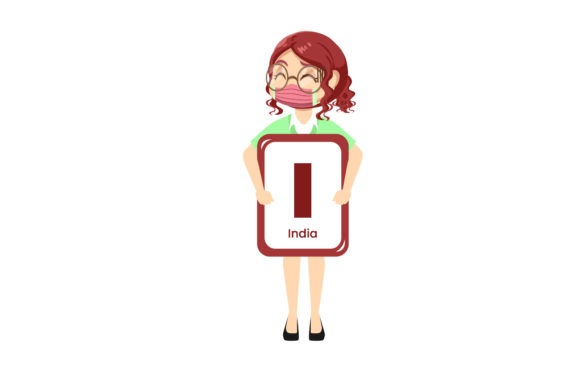
In the rapidly evolving landscape of educational technology and digital content creation, the intersection of cultural relevance and pedagogical utility has become a critical focal point. For educators, instructional designers, and creative professionals working within the Indian context, finding resources that accurately reflect local nuances while maintaining high technical standards is often a challenge. This is where specialized design assets, such as the Teacher Education Alphabet I for India, serve as more than mere decorative elements. They function as foundational tools for creating engaging, culturally responsive learning materials that resonate with students and stakeholders alike.
The concept of integrating alphabet-based visual aids into teacher education is not new, but its application through high-quality, editable digital formats represents a significant leap forward in accessibility and customization. By providing a structured yet flexible design framework, these resources empower creators to build curricula, presentations, and marketing materials that are both visually appealing and educationally sound. Understanding the technical specifications, practical applications, and broader implications of such assets is essential for anyone involved in the modern education sector.
The Strategic Value of Culturally Contextualized Design Assets
Educational materials are most effective when they mirror the environment and experiences of the learners. In a diverse country like India, generic Western-centric designs often fail to capture the specific cultural textures that make learning relatable. The Teacher Education Alphabet I for India addresses this gap by offering a design language that is inherently aligned with the Indian educational ethos. This alignment is not just about aesthetics; it is about cognitive connection. When teachers use visuals that feel familiar and relevant, they reduce the cognitive load on students, allowing them to focus more on the content rather than decoding unfamiliar visual cues.
Furthermore, the professionalization of teacher education requires tools that meet industry standards. Educators are increasingly expected to produce high-quality digital content for online courses, social media engagement, and institutional reporting. Having access to premium design files ensures that the output maintains a level of professionalism that reflects well on the institution and the educator. It bridges the gap between pedagogical expertise and graphic design proficiency, allowing teachers to focus on their core competency—teaching—while still producing visually compelling materials.
Technical Versatility and File Format Utility
One of the most significant advantages of modern digital design resources is their versatility across various platforms and software ecosystems. The Teacher Education Alphabet I for India package is engineered to support a wide range of creative workflows by providing six distinct file formats. Each format serves a specific purpose, ensuring that users can integrate the design seamlessly regardless of their technical setup or end-use requirements.
- AI (Adobe Illustrator) File: This vector-based format is ideal for professional designers who need full control over every anchor point and bezier curve. It allows for infinite scalability without loss of quality, making it perfect for large-format prints such as banners or billboards.
- EPS (Encapsulated PostScript) File: A universal vector format that is compatible with a broad range of graphic design software beyond Adobe products. It is particularly useful for sending designs to professional printers who may not use Illustrator.
- SVG (Scalable Vector Graphics) File: Essential for web developers and digital creators, SVGs are lightweight and render perfectly on screens of all sizes. They are crucial for responsive web design, ensuring that educational icons and letters look crisp on mobile devices and desktops alike.
- DXF (Drawing Exchange Format) File: This format is primarily used for compatibility with CAD (Computer-Aided Design) software. It opens up possibilities for physical fabrication, such as laser cutting or CNC routing, allowing educators to create tangible, three-dimensional learning aids from the digital design.
- JPG (Joint Photographic Experts Group) File: A raster image format that is widely supported and easy to share. It is suitable for quick previews, social media posts, and documents where editing is not required.
- PNG (Portable Network Graphics) File: Known for its support of transparency, the PNG format is invaluable for layering designs over different backgrounds. It ensures that the alphabet elements can be placed onto colorful slides or textured papers without unsightly white boxes around the edges.
The inclusion of these formats at a high resolution of 1920px by 1280px ensures that the base quality is sufficient for most digital displays, while the vector files provide the necessary data for scaling up to any size. This comprehensive approach eliminates the need for users to convert files themselves, saving time and preserving the integrity of the original design.
Practical Applications in Educational and Creative Workflows
The utility of the Teacher Education Alphabet I for India extends far beyond simple classroom decorations. Its adaptability makes it a valuable asset for various professional scenarios. For instructional designers, these elements can be used to create cohesive branding for online courses, ensuring that module headers, certificates, and promotional graphics share a consistent visual identity. This consistency helps in building brand recognition and trust among learners.
In the realm of teacher training workshops, facilitators can use these designs to create engaging handouts and presentation slides. The ability to easily edit the files means that trainers can customize the content to suit specific regional languages or pedagogical frameworks. For example, a trainer focusing on early childhood education in rural India might adapt the colors and accompanying icons to reflect local art styles, thereby making the training material more accessible and engaging for participants.
Moreover, educational publishers and content creators can leverage these assets to enhance textbooks and digital learning apps. The clean lines and professional finish of the design ensure that it complements text without overwhelming it. This balance is crucial in educational materials, where clarity and readability are paramount. By using pre-designed, high-quality elements, publishers can reduce production costs and accelerate time-to-market for new educational products.
Enhancing Creativity Through Ease of Use
A common barrier to effective visual communication in education is the perceived complexity of graphic design software. Many educators possess strong pedagogical skills but lack formal training in design tools. The Teacher Education Alphabet I for India mitigates this challenge by being easy to edit and use. The files are structured logically, with layers and groups organized in a way that simplifies the modification process.
Users can quickly change colors to match institutional branding, adjust sizes to fit specific layout constraints, or combine elements to create unique compositions. This ease of use encourages experimentation and creativity, allowing educators to develop a personal style that enhances their teaching presence. It transforms design from a daunting technical task into an intuitive creative process, empowering educators to take ownership of their visual materials.
Additionally, the availability of multiple formats ensures that even users with limited software access can utilize the designs. Those without advanced vector editing tools can still make effective use of the JPG and PNG files for basic documentation and digital communication. This inclusivity ensures that the benefits of high-quality design are accessible to a broader audience, including independent tutors, small coaching centers, and non-profit educational organizations.
Considerations for Sustainable and Ethical Use
While the technical and aesthetic benefits of such digital assets are clear, it is also important to consider the ethical implications of their use. Educators and creators should ensure that they respect licensing agreements and attribute sources appropriately when required. Using legitimate, high-quality resources like the Teacher Education Alphabet I for India supports the ecosystem of digital creators who invest time and skill into developing these tools. It promotes a culture of fairness and sustainability in the creative industries.
Furthermore, the choice of design elements should always be guided by the principle of inclusivity. While the "India" designation suggests a cultural focus, users should remain mindful of the diverse subcultures and linguistic variations within the country. The flexibility of the design allows for customization that can reflect this diversity, but it requires conscious effort from the creator. By thoughtfully adapting the materials, educators can ensure that their content is respectful and representative of the communities they serve.
In conclusion, the integration of specialized design assets into teacher education represents a significant step towards more engaging and effective learning environments. The Teacher Education Alphabet I for India offers a robust solution that combines cultural relevance with technical versatility. By providing a range of editable file formats and prioritizing ease of use, it empowers educators and creators to produce high-quality, professional materials that resonate with their audiences. As the demand for digital educational content continues to grow, such tools will play an increasingly vital role in shaping the future of teaching and learning in India and beyond.