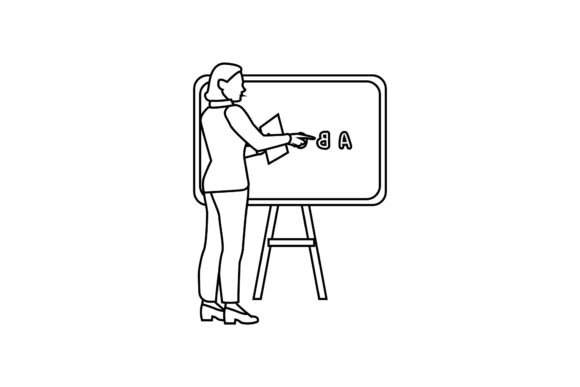
Teacher Education Building Vectors: A Practical Guide to Choosing the Right Digital Asset Format
In the evolving landscape of educational content creation, visual assets play a pivotal role in communicating complex ideas. Whether you are designing curriculum materials, creating presentation slides for teacher training workshops, or developing marketing collateral for an educational institution, the quality and versatility of your graphics matter significantly. This is where Teacher Education Building Vectors emerge as a critical resource for designers, educators, and administrators alike. Unlike standard raster images, vector-based designs offer scalability and editability that are essential for professional-grade output.
When evaluating digital design resources, it is important to look beyond the aesthetic appeal and consider the technical infrastructure of the file types provided. The availability of multiple formats ensures that the asset can be integrated seamlessly into various workflows, from high-resolution print media to responsive web designs. Understanding the distinct advantages of these formats helps users make informed decisions about which files best suit their specific project requirements.
Understanding the Value of Vector-Based Educational Graphics
Vector graphics differ fundamentally from pixel-based images. While a JPEG or PNG relies on a fixed grid of pixels, vector files use mathematical equations to define shapes, lines, and colors. This distinction is crucial for Teacher Education Building Vectors because educational materials often need to be resized for different contexts. A graphic used on a business card may also need to appear on a large banner for a conference. With vector files, this scaling occurs without any loss of quality, ensuring crisp edges and clear details at any size.
The primary benefit of using vector assets in an educational setting is flexibility. Educators and designers frequently need to customize visuals to align with specific institutional branding or pedagogical themes. Vector files allow for easy modification of colors, shapes, and text elements. This adaptability means that a single design asset can serve multiple purposes across different departments or campaigns, reducing the need to commission new artwork for every minor variation.
Comparing File Formats: AI, EPS, SVG, JPG, and PNG
The comprehensive package associated with Teacher Education Building Vectors includes five distinct file types: AI, EPS, SVG, JPG, and PNG. Each format serves a unique function in the design ecosystem. Understanding these differences is key to maximizing the utility of your purchase.
- AI (Adobe Illustrator) Files: These are native files for Adobe Illustrator, the industry-standard software for vector graphics. They offer the highest level of editability, allowing users to access every layer, anchor point, and effect. If you have access to Adobe Creative Cloud, this is the preferred format for deep customization.
- EPS (Encapsulated PostScript) Files: EPS is a universal vector format compatible with a wide range of design software, including CorelDRAW and older versions of Illustrator. It is an excellent choice for professional printing and for users who do not use Adobe products but still require editable vector data.
- SVG (Scalable Vector Graphics) Files: SVGs are optimized for web use. They are lightweight, code-based, and render perfectly on screens of all resolutions. For educators building websites, e-learning modules, or digital newsletters, SVGs ensure fast loading times and sharp visuals on mobile devices.
- JPG (Joint Photographic Experts Group) Files: JPGs are raster images ideal for photographs and complex color gradients. In this context, they provide a ready-to-use image for quick insertion into documents like Word or PowerPoint where editing is not required. However, they do not support transparency and can lose quality when resized.
- PNG (Portable Network Graphics) Files: PNGs support transparent backgrounds, making them perfect for overlaying graphics onto colored slides or textured backgrounds. Like JPGs, they are raster-based, so they should be used at their intended size to avoid pixelation.
By providing all five formats, the Teacher Education Building Vectors collection eliminates the need for users to convert files themselves, a process that can often degrade quality or introduce compatibility issues.
Technical Specifications and Usability
A common concern when purchasing digital assets is whether they will fit existing project templates. The canvas size for these vectors is standardized at 1920 px by 1280 px. This resolution corresponds to a standard HD widescreen aspect ratio, which is widely used in modern presentations, video backgrounds, and web headers. Starting with this base size ensures that the graphics are high-resolution enough for most digital applications right out of the box.
For print applications, the vector nature of the AI, EPS, and SVG files means that the initial pixel dimensions are less restrictive. You can scale the vector paths up to any size required for posters, brochures, or banners without worrying about blurriness. This dual utility—ready-to-use raster sizes for quick digital tasks and infinite scalability for print—makes these assets highly efficient for busy professionals.
Furthermore, the guarantee that these designs are easy to use and can be edited as needed speaks to the organizational structure of the files. Well-layered AI and EPS files save time by separating background elements, icons, and text into distinct groups. This logical organization allows users to isolate specific components quickly, facilitating rapid customization without disrupting the overall composition.
Evaluating Fit: When to Use These Vectors
Deciding whether Teacher Education Building Vectors are the right choice depends on your specific workflow and end goals. These assets are particularly well-suited for:
- Curriculum Developers: Creating visually engaging headers for lesson plans, worksheets, and study guides.
- Instructional Designers: Building consistent visual themes for online courses and learning management systems.
- School Administrators: Designing internal communications, event flyers, and staff training materials.
- Freelance Designers: Providing clients in the education sector with cost-effective, high-quality customizations.
However, there are scenarios where alternative resources might be more appropriate. If your project requires photorealistic imagery of people or specific real-world locations, stock photography may be a better complement to these vector graphics. Vectors excel at symbolic representation, icons, and stylized illustrations, but they are not designed to replace photographic evidence or realistic depictions.
Additionally, users without any graphic design software may find the vector files (AI, EPS, SVG) less accessible. While the included JPG and PNG files are universally compatible, the full potential of the vector formats requires tools like Adobe Illustrator, Inkscape (a free alternative), or other vector-editing programs. If you lack these tools and have no intention of learning them, the value proposition shifts primarily to the ready-made raster images.
Making an Informed Decision
When comparing Teacher Education Building Vectors to other design resources, consider the long-term utility of the asset. A one-time purchase of a versatile vector pack can reduce reliance on subscription-based stock photo services for illustrative needs. The ability to edit colors to match school branding or modify icons to suit specific subjects adds a layer of personalization that pre-made flat images cannot offer.
It is also worth noting the importance of licensing and usage rights. Ensuring that the designs can be used for both personal and commercial projects, depending on your needs, is a critical step in the evaluation process. High-quality vector packs typically come with clear guidelines that empower users to integrate the graphics into client work or institutional publications without legal ambiguity.
In conclusion, Teacher Education Building Vectors represent a robust solution for those seeking flexibility, quality, and ease of use in educational design. By offering a comprehensive suite of file formats and prioritizing editability, these assets cater to a wide range of professional needs. Whether you are a seasoned designer looking for a solid foundation to build upon or an educator aiming to enhance the visual appeal of your materials, understanding the strengths of each file type will help you leverage these resources effectively. Thank you for visiting our shop and considering these designs for your next project. We appreciate your trust in our quality and hope these tools contribute to your success in creating impactful educational content.